
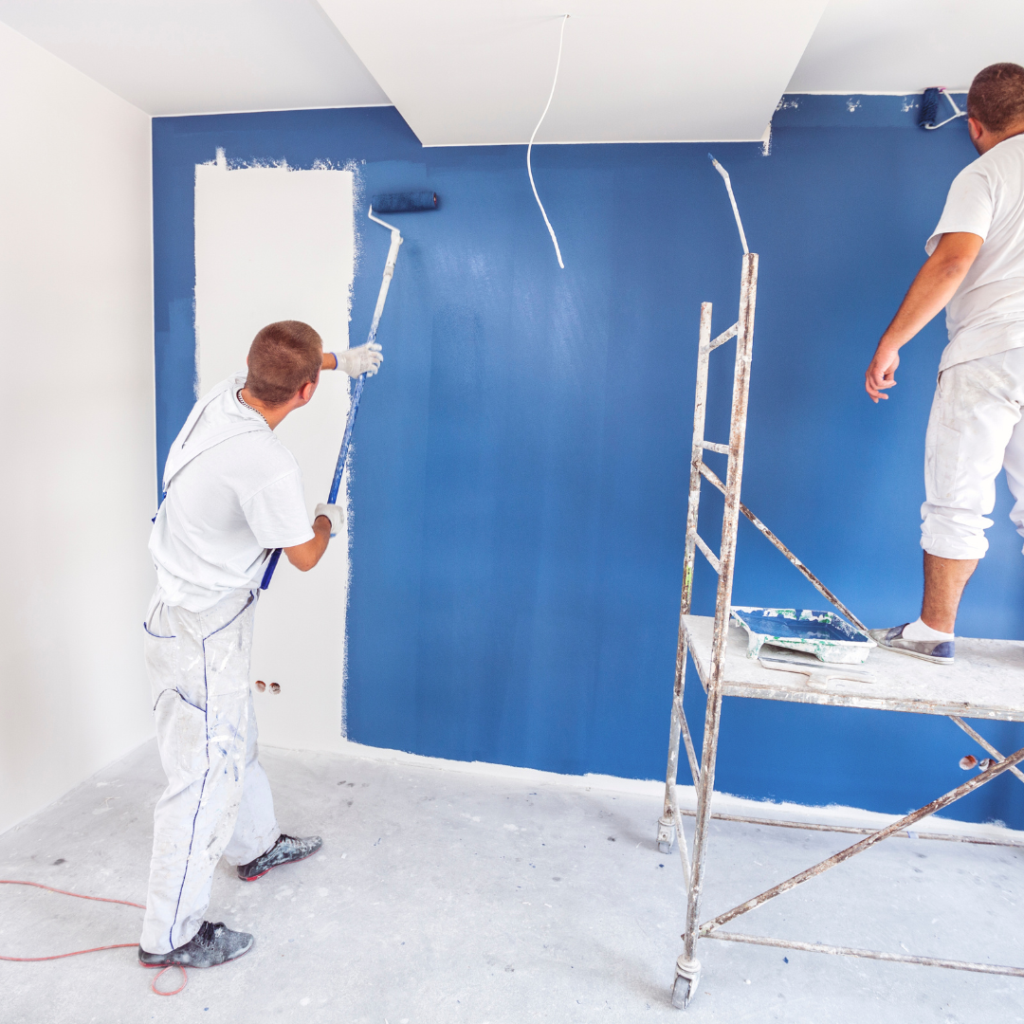
Scheduling an interior house painting project is one of the most effective ways to refresh your home. Whether you’re updating a bedroom, repainting a bathroom, refinishing kitchen cabinet surfaces, or transforming an entire living space, preparation makes the difference between a smooth experience and unnecessary delays.
Homeowners often search for “house painters near me,” “interior painters near me,” or “interior house painters near me” without realizing that their own preparation plays an important role in project success. While experienced painting contractors handle the technical work—surface repair, primer application, and finishing coats—there are several important steps you can take before the painters arrive.
Below is a practical, professional guide to preparing your home for interior painting while protecting your time, property, and investment.
Why Preparation Matters for Interior House Painting
Professional painting is more than applying a gallon of paint to a wall with a brush. Proper preparation ensures:
- Strong adhesion between surfaces and primer
- Even color application and smooth coats
- Long-term durability with less wear
- Clean edges along ceilings, trim, and crown molding
When rooms are ready before painters arrive, your project stays on schedule and maintains quality standards.
What Homeowners Should Handle Before Painting Day
1. Remove Wall Décor and Window Treatments
Take down:
- Artwork and mirrors
- Mounted shelving
- Curtains and window treatments
- Decorative wall items
Clear access to walls, ceilings, and corners allows professional painters to begin prep work immediately. Removing items ahead of time reduces dust exposure and protects valuables.
2. Clear Small Furniture and Personal Items
Move lightweight furniture such as:
- Nightstands
- Chairs
- Small shelving units
- Lamps and décor
Clear countertops in the kitchen and bathroom, including items stored on cabinetry and vanities. While residential house painters typically move larger pieces to the center of the room and cover them with plastic, confirming responsibilities in advance avoids confusion.
If you’ve searched for “house painters in my area” or “painters near me interior,” make sure you also ask what furniture moving services are included in your estimate.
3. Secure Valuables and Fragile Items
Professional painters take precautions, but ladders, drop cloths, and equipment create movement within the space. Remove:
- Breakables
- Important documents
- Electronics
- Sentimental items
Clearing these items protects them from dust, accidental impact, or overspray.
4. Disconnect Electronics
Before interior painters arrive:
- Unplug televisions
- Remove wall-mounted electronics
- Label cords if necessary
This ensures safe access to walls and prevents interruptions during the painting process.
5. Prepare for Dust and Minor Disruption
Even with careful preparation, sanding surfaces with sandpaper and repairing drywall can create light dust. Professional painters protect floors and furniture with plastic coverings and drop cloths, but removing small items from shelves and surfaces helps minimize cleanup afterward.
If your project includes areas like a basement or ceiling repainting, additional preparation may be required due to ventilation and access.
What Professional Painting Contractors Typically Handle
Experienced interior house painters manage the technical aspects of preparation to ensure durability and a consistent finish.
A reputable painting company will typically handle:
- Filling nail holes and minor drywall repairs
- Sanding uneven surfaces
- Applying primer for strong adhesion
- Caulking trim and crown molding
- Protecting flooring and large furniture
- Ensuring proper coat thickness for uniform color
- Surface preparation for cabinetry and wood
For projects involving cabinetry or a kitchen cabinet refresh, painters may sand, prime, and apply specialized finishes such as satin for durability and cleanability.
If your home has prior water damage, mildew, or stain issues, those areas should be discussed during the estimate to ensure proper treatment.
What Not to Do Before Painting Starts
Certain actions can slow the process or affect results.
Avoid:
- Washing walls immediately before painting (moisture can interfere with primer adhesion)
- Attempting large drywall repairs without consulting your contractors
- Using adhesive hooks or tape on freshly prepared surfaces
- Pressure washing interior surfaces (this applies only to exterior painting)
- Leaving mounted fixtures in place if unsure whether they’ll be removed
Clear communication with your painting company prevents unnecessary delays and protects finish quality.
Understanding Interior House Painting Cost and Scope
Many homeowners researching “home painters near me” or “interior painters in my area” are also concerned about interior house painting cost.
Costs vary depending on:
- Room size and ceiling height
- Surface condition
- Amount of prep required
- Number of coats needed
- Type of finish (e.g., satin vs. flat)
- Cabinetry or trim complexity
A detailed estimate from professional painting contractors should outline labor, materials, primer, paint quantity (by gallon), and warranty information.
Interior painting is often one of the most cost-effective upgrades in home painting because it improves appearance without major construction or structural changes.
Residential and Commercial Interior Painting Preparation
While this guide focuses on residential house painting, preparation principles also apply to commercial painting projects. Offices and retail spaces benefit from:
- Clearing workstations
- Securing electronics
- Coordinating scheduling to reduce customer disruption
Whether for residential or commercial painting, clear communication between the customer and contractor is essential.
Questions to Ask Before Your Project Begins
Before your interior painting services begin, confirm:
- Will large furniture be moved or only covered?
- Are minor drywall repairs included?
- Is cabinetry included in the scope?
- How long will the interior painting project take?
- What warranty is provided on workmanship?
- Are you licensed and insured?
Professional painters should provide clear information and documentation before starting work.
Final Preparation Checklist
Before painting day:
- Remove wall décor and window treatments
- Clear small furniture and surfaces
- Secure valuables
- Disconnect electronics
- Confirm project timeline and responsibilities
- Review estimate details and warranty coverage
When preparation is complete, your home painting project becomes efficient and predictable.
Frequently Asked Questions
Do I need to remove all furniture before interior painting?
Small furniture and personal items should be removed. Large pieces are typically moved and protected by professional painters, but confirm during your estimate.
Will painters repair damaged surfaces?
Most interior house painting services include minor drywall repairs and prep. Larger structural repairs should be discussed in advance.
How much paint is used per room?
The number of gallons required depends on room size, surface condition, and number of coats needed.
Is cabinet painting prepared differently than wall painting?
Yes. Cabinetry requires sanding, primer, and careful finish application for durability and stain resistance.
Does interior painting come with a warranty?
Reputable painting contractors provide warranty coverage for workmanship. Always ask for details in writing.
Plan Your Interior Painting Project with American Painting Specialists
Proper preparation ensures your interior house painting project stays on schedule and delivers long-lasting results. At American Painting Specialists, our team provides detailed estimates, clear communication, and professional painting services designed to protect your home and investment.
If you’re ready to move forward with interior house painting or want more information about preparing your space, contact American Painting Specialists today to schedule your consultation.